STRETCH: TRANSFORMING GROCERY SHOPPING WITH ANDY ELLWOOD
Silicon Valley is obsessed with extractive algorithms, but Stretch founder Andy Ellwood is on a "Good Hard Quest" to bring transparency to the $1.8 trillion grocery industry. Learn how to spot "painkiller" startups and avoid the AI pricing trap.
TL;DR
Silicon Valley is obsessed with extractive algorithms, but Stretch founder Andy Ellwood is on a "Good Hard Quest" to bring transparency to the $1.8 trillion grocery industry. Learn how to spot "painkiller" startups and avoid the AI pricing trap.
INTRODUCTION
The modern grocery experience is increasingly defined by "black box" algorithms that manipulate prices based on consumer desperation and brand affinity. In this episode, Dalton Anderson sits down with Andy Ellwood, the founder of Stretch and a veteran of the grocery tech space who previously raised $20 million for basket.com. They dive into the ethics of surge pricing and a recent scandal involving Instacart’s AI experiments that may be costing families over $1,200 annually. Ellwood shares his framework for returning to the founder's seat, centered on the Founders Fund philosophy of choosing "Good Hard Quests". He explores why the best and brightest should move away from building "bad hard quests"—like extractive algorithms—and instead focus on solving 10-year problems that provide genuine agency to society. The conversation serves as a masterclass for aspiring entrepreneurs on how to distinguish between "multivitamin" ideas and "painkiller" solutions. From his time at Waze to building a digital pantry with Stretch, Ellwood explains how transparency and data can recalibrate the relationship between retailers and shoppers for the better.
KEY TAKEAWAYS
- Founders should prioritize "Good Hard Quests" that add significant value to society, such as the Apollo program or cancer diagnostics, rather than extractive "bad" quests.
- A sustainable startup should address a "10-year problem," ensuring the founder is willing to obsess over the solution for at least a decade.
- Aspiring entrepreneurs should use the "Painkiller vs. Multivitamin" litmus test: solve a problem so acute that users would stop their day to find a solution.
- The grocery industry lacks a "source of truth" for pricing, allowing algorithms to implement "shopper ceilings" that charge different prices for the same item based on urgency.
- Future consumer tech must focus on giving agency back to the user, providing transparency and choice in a fragmented marketplace.
FULL CONVERSATION
The Philosophy of Good Hard Quests
Dalton: We are going to jump into this article from Founders Fund. It is about the philosophy of what is a good quest. There is a matrix: there are good hard quests, bad hard quests, and then easy ones. Essentially, you want to focus your resources and talents on good hard quests because they add a lot of value to society. You never want society moving towards bad hard quests. A good hard quest would be like the Apollo program or a full body scan diagnostic for cancer. This really resonated with you and was one of your cornerstones for Stretch. Andy: When I was presented with the opportunity to jump back into the founder seat, I initially rejected it. I had PTSD from the last time, my mom’s health wasn't great, and my wife was pregnant. But I put together four non-negotiables back in 2020. One that disqualified the most opportunities was that it had to be a 10-year problem. I had to believe I wanted to obsess about solving it for a decade.
"If I was going to begin to work on any of the problems... the solution to the problem that I'm setting out to work on for the next 10 years doesn't exist yet."
The Instacart AI Pricing Scandal
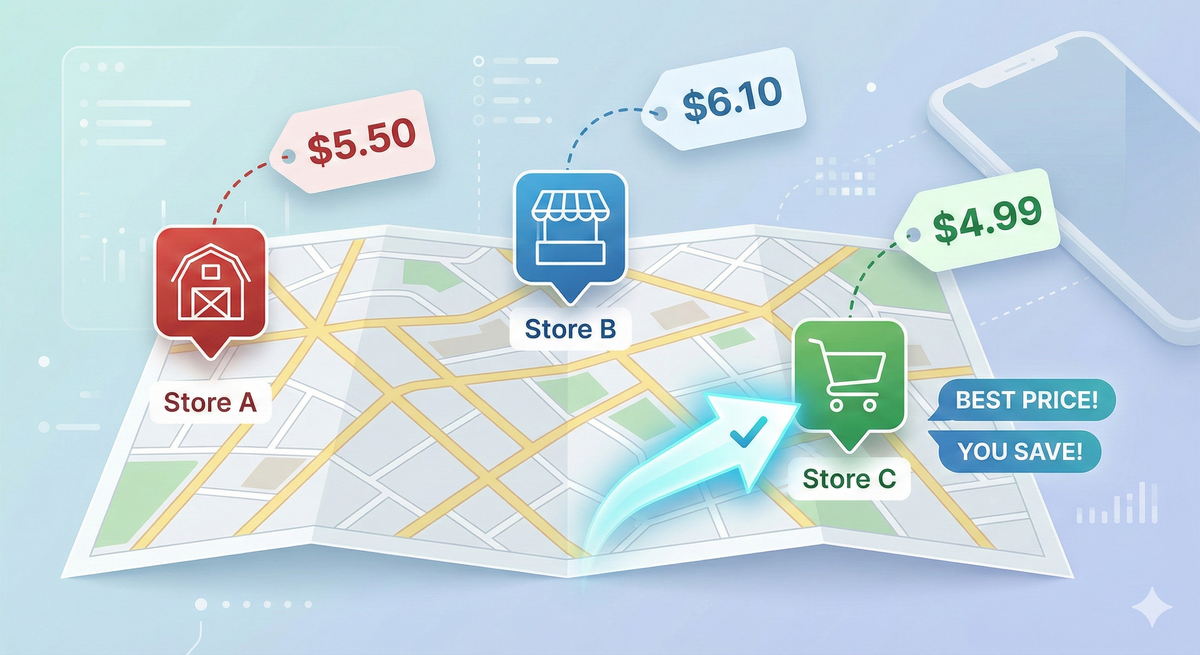
Dalton: The Instacart scandal that came out from Consumer Reports showed that the same person in the same area is paying different prices based on desperation or brand affinity. That really rubbed me the wrong way. Andy: Surge pricing at JFK for an Uber makes sense because taking an Uber is a choice. Feeding our families is not a choice. The internal documents used the phrase "shopper ceiling"—how much would you be willing to overpay?. This is possible because there isn't a source of truth in groceries. When I buy a flight, I start on Kayak because I want to make sure the price is close to other airlines. With groceries, we drive to a store and just hope the price is right.
"Instacart said that we've discontinued that part of the program... But also, if I wanted to find out if they had, where would I go to find that source of truth?"
Building Stretch: Transparency as a Solution
Dalton: I tried the Stretch app. It took about four minutes to go through onboarding and brand preferences. It showed me different stores across New York City where I could save money. For me, distance is worth an extra $15 because I don't have a car. Andy: We call that proximity pricing preference. Stretch is about giving agency to shoppers so they can make the best decisions. Currently, we cover national big-box stores like Target, Walmart, and Kroger. The app builds your "digital pantry". In the future, we’ll be able to let you know proactively when items you typically buy are on sale.
"Stretch is about giving agency to shoppers so that they can make the best decisions for them and their families this week."
The Future of the Digital Pantry
Dalton: Where do you see Stretch going next? Andy: Stretch exists to provide agency and choice. We want you to open Stretch every time you think about the grocery store. We are working on integrations with Siri and Alexa so you can just yell, "Hey Siri, add this to my Stretch list". We’re even looking at ChatGPT’s app store to turn recipes into actual shopping lists attached to inventory and price. 90% of people still go to the grocery store themselves, and that is a huge opportunity for us to be their partner.
Advice for the Next Generation of Founders
Dalton: How should people think about executing on a "good quest"? Andy: The first question is: Is it a multivitamin or a painkiller?. If I forget my multivitamins in the morning, I’m not stopping at CVS to buy more. But if I have a headache preventing me from working, I am 100% grabbing an Advil. A lot of startups are multivitamins—it would be cool if they existed, but if they don’t, it’s fine.
"Being a founder is crazy... But when you're so driven nuts by the problem that you're trying to solve, that it makes sense to become a founder to solve that problem. That's when you know you found the right problem for you." Andy: Write down everything that pisses you off for a month. Don’t do anything with it, just look for a theme. Ask others what pissed them off this week. If there are commonalities, ask why nobody has built something to fix it.
RESOURCES MENTIONED
- Stretch
- Founders Fund (Good Quest Matrix article)
- Consumer Reports (Instacart Pricing Scandal)
- Waze
- Kayak.com
- Zillow
- Expedia
INDEX OF CONCEPTS
Alexa, Andy Ellwood, Apollo Program, Basket.com, Consumer Reports, Dalton Anderson, Digital Pantry, Elizabeth Warren, Founders Fund, Good Hard Quest, Instacart, Kayak, Proximity Pricing Preference, Shopper Ceiling, Siri, Stretch App, Surge Pricing, Waze.
Other Links




Comments ()